How to Work With Family Without Ruining the Relationship

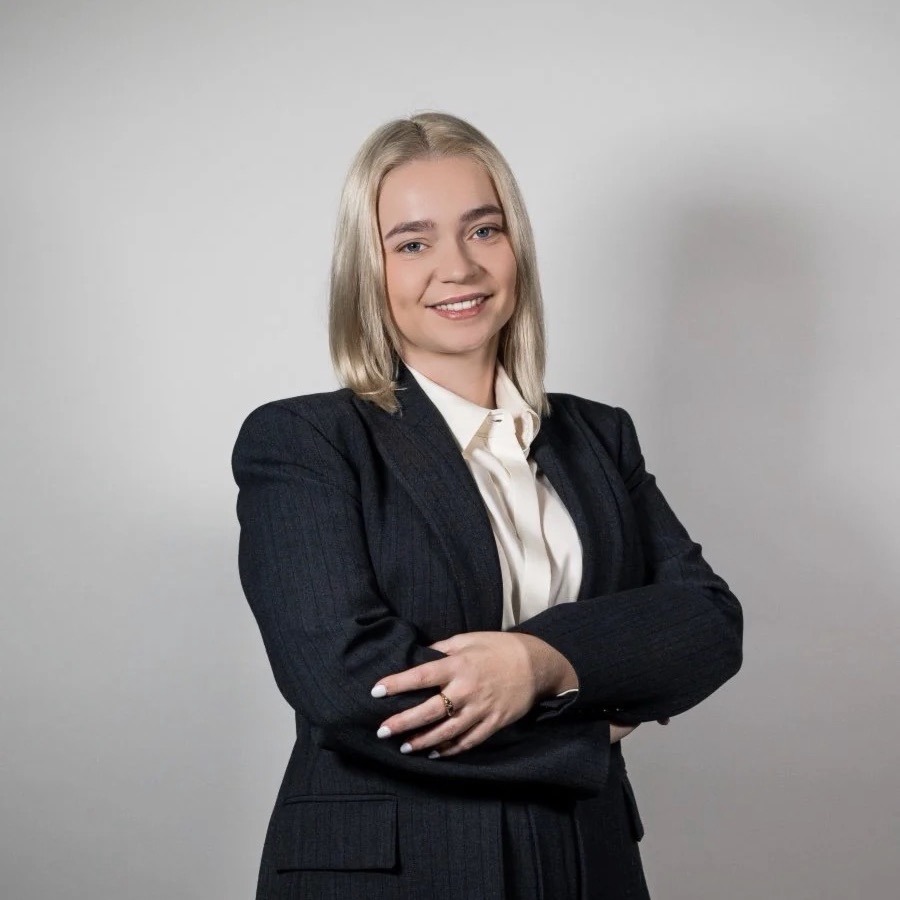
About this episode
What happens when your business partner is also your mum?
Working with family can be one of the most rewarding things you do in business. It can also be one of the hardest. For Janine Williams and Eboni Fogerty, building The Epiphany Group together has meant learning where the family relationship ends and the business relationship begins.
In this episode, Janine and Eboni share what they have learned from building a business together as mother and daughter, while also helping other family-owned businesses navigate conflict, succession, growth and leadership. They discuss why family dynamics can follow you into the boardroom, why the next generation sometimes needs to leave before they can successfully return, and what happens when a parent has to step back and let their child take control.
They also explore how to separate family issues from business issues, why difficult conversations are essential, and how trust, respect and self-awareness can make or break a family business.
Key takeaways
Family and business need different rules
Family relationships bring years of history and emotion into business decisions. Clear boundaries separate what matters to the family from what is best for the business.
The next generation needs room to grow
Sometimes the best thing a parent can do is step back. Leaving the business can give the next generation the experience, maturity and confidence they need before returning.
Trust makes difficult conversations possible
Every family business faces fear, ego, control and conflict. A foundation of trust and respect lets you have those conversations without destroying the relationship.
In this episode
- 00:00When Sunday lunch becomes Monday’s board meeting
- 02:00How The Epiphany Group untangles family and business
- 04:30Why the family dining table can matter
- 06:00The role of an objective third party
- 08:00What happens when family dynamics enter the business
- 13:00Why the next generation sometimes needs to leave
- 18:40Why Janine and Eboni don’t have a reporting relationship
- 35:34When parents hold their children back
- 38:42When Janine will step away
- 40:21The biggest warning about working with family
Jon
When talk turns to the business of business, the first thing that comes to mind is not usually those companies that fall into the category of family-run. While these organizations face many of the same challenges as others, the dynamics of a family-run business present a whole set of issues to address and overcome. Have you ever sat in a board meeting on Monday and realized you’re still finishing an argument that started at Sunday lunch? No? Well, that can be par for the course in a family business. What happens in the family often shapes the business’ foundations, its growth, and especially its succession. And just as families shape the business, the business most certainly can shape the family. As the business grows and changes, those shifts can reshape the family too. In our first episode, we spoke with Genyne and Eboni of Epiphany Group about how not all family-run businesses’ challenges are unique. The most important answer to understand is how to identify where family line ends and business line starts. This week, we dive more deeply into their own journey building a global consulting company whilst navigating their longer term relationship as mother and daughter. Welcome to you both So before we begin, uh, kind of in depth, I’d like to take kind of a, a bird’s-eye view of what you talk about when you talk about issues coming up on Monday that, that were arguments that started on, say, Sunday at lunchtime. Do you wanna have a crack?
Janine
Yeah, for sure. I think, um, working with so many family-owned businesses, uh, you often see the dynamics that exist, um, that are happening outside of work, and are obviously happening around their dinner table. You’ve got different parties involved in those conversations. Mum might be involved, wives might be involved, husbands might be involved, people who are actually not working in the business who kind of have an opinion. And that can actually create a bit of an issue where they’re having all of those opinions and all of those kinds of sometimes uned- uneducated and uninformed opinions weighing in on what are fundamentally business issues. Um, and some of those arguments, discussions, debates then end up in a boardroom with no context, and you can be sitting there going, “Where is this opinion actually coming from?” Mm-hmm. Um, ’cause it doesn’t make sense, it doesn’t track, and it certainly doesn’t represent what’s been discussed- Yeah … at work. And so you then start to go through, um, some discovery questions to determine where, where that opinion has kind of come from-
Jon
Mm-hmm …
Janine
um, in order to be able to then get a sense of how you then need to address it, sometimes just putting it on the table as well- Yeah um, and getting them to talk about where those opinions have come from-
Eboni
Yeah …
Janine
um, so that you can then understand how, how valid, um, that opinion might be. Um, and, and certainly- Or not. Exactly. Mm-hmm. Uh, and then, and then you need to say with respect, and always with respect with family-owned businesses, because people will have opinions, and they’re coming usually from the right place. Mm-hmm. It just doesn’t necessarily help when you’re trying to create a very business-based decision-
Jon
Mm-hmm …
Janine
and not necessarily one that has relevance to the family and the family’s input.
Jon
Sure. So just to take a step back, when you say asking questions and, and trying to determine, Epiphany Group- Your company does that for the businesses themselves, right? So you go into a place where there may be issues, or they brought you in to kind of detangle the family/business. Um, can you speak a little bit about Epiphany Group’s perspective, what they do, and how they do it in those terms, I guess?
Janine
When we talk about a family-owned business, w- what we tend to do is really try and diagnose what’s actually happening within the business in terms of what is preventing its growth. We’re usually brought in often off the back of wanting to grow or succession planning has become really important. Um, you’ve got a parent or parents in the business. Um, they’ve decided that it’s time for them to start taking steps to allow the next generation to start run the b- running the business. And so we will often be brought in at that point in time where they want us, and I’m paraphrasing here from a few clients, but where they want us to come in and assess the capability of their family members- Interesting … and then determine the suitability of those family members for the, the various roles that are available, um, for them to be able to take a step back, um, and hand over control of the running of the business. And so, um, I can speak to a few experiences where I’ve actually ended up attending their homes to have conversations away from the business, um, in the family- A house call … environment. Mm-hmm. A literal house call. Mm-hmm. Um, but really to get a sense of them outside of that pressure cooker environment in a boardroom, to take it to where they feel most comfortable and most vulnerable, um, and get them to actually open up, discuss- Mm and, and make some decisions outside of that environment that are best for their family. Right. And so sometimes you have to step out of the boardroom into the family dining table- Right … to be able to have those conversations- Yes … because the environment really matters.
Jon
It’s a little more honest.
Janine
It does. And, and I think also it gets a little bit more honest, but it also allows for some of the really hard things to be said without that formal framework around them, which a boardroom- Mm-hmm … you know, fundamentally provides that professionalism. Yeah. Um, it allows them to kind of get rid of the suits and ties and, and just be real raw and honest and be family. Yeah. But navigate some of those conversations to a healthy outcome. Sure. Really asking questions around intention and outcomes to allow people to actually hear sometimes from mom and dad around what- Mm … they want. But ul- often it will be because the family members, the, the next generation, um, haven’t been heard- Mm-hmm necessarily, and part of our job is to make sure that everyone leaves those types of meetings feeling heard.
Jon
Yep. Yeah. I think you, you spoke before about how scale and succession kind of shifts- everyone’s perspective on where they fit, where they’re going to fit, what’s gonna happen, and that third party, Epiphany Group, does a, that plays that role-
Janine
Yeah
Jon
of that third eye.
Janine
Yeah.
Jon
Um, is, gives it arm’s length?
Janine
I think so, and I think that objectivity is probably what we, we bring in. Mm. Um, I, I actually caught up with a wife of a family business on the weekend that we worked with probably about 10 years ago, and there were four sons in that particular business, so it was, the dynamics were interesting. Mm. And I caught up with one of the wives just briefly on the weekend, and she actually said to me, “One of the things that you did in the very beginning was to encourage all four of them to really have a look at their strengths.” Mm-hmm. And it was something that probably their parents didn’t even actually recognize in their children. And- Yeah … and let’s face it, parents are not necessarily always gonna be the best- There can be
Jon
a lot of baggage.
Janine
Exactly.
Jon
Yeah, sure.
Janine
And, and they don’t have the skills necessarily to actually evaluate skillsets either. Mm-hmm. They, they don’t, they don’t evaluate, um, capability in the same way a professional organization like Epiphany would do. Um, they, they talk about, you know, what they feel they’re good at, um, but that doesn’t necessarily, um, actually come forward with what they really are good at. Mm-hmm. Um, with that particular family, we ended up moving someone out of a, a technical role and into a strategic role, um, because he should never have been put in this, in the technical role in the first place, and was actually incredibly strategic, and it’s actually led to their scaling- Yeah that one move.
Jon
Yeah. Um- It, it can be simple, the answer, right?
Janine
Exactly.
Jon
Yeah. Yeah. Sometimes. Let’s dig in a little bit into the mother-daughter thing. How, how did that come about? How did you… I have a 19-year-old. He’s very strong-willed and sees his path. Uh-huh. Um, it’s difficult to have a conversation sometimes. But when did you find this path, and was it locked in from the beginning, or?
Eboni
No, it, it wasn’t locked in from the beginning. I- finished high school and I was planning on going like onto a schoolies trip, not that I was allowed to go to the Gold Coast. So it was more of a holiday house for a week or two. And mom was like, “Yep, enjoy it. I’ve got a full-time job lined up for you when you get back.” Uh, not for Epiphany, but, but for another company, a registered training organization, which we now own, but at the time I, I didn’t, and Janine had a small, uh, shareholding in it. Mm-hmm. Uh, and so started with that, and maybe six months after that, Janine incorporated the Epiphany Group, uh, and started the Epiphany Group, which I did assist with, you know, again, not formally, not, uh, paid, uh, but-
Jon
Family-run business
Eboni
family-run business while I was also attending university. So I studied law, and I am a solicitor and I’ve, you know, followed that pathway. Yeah. And I went and worked at a law firm- uh, for five or six or seven years. Um, so no, the plan was not to be in the family business. The plan was I was working this full-time job for someone else, uh, and then I ended up working with Epiphany for the duration of my, you know, studies- Yeah and then I got a full-time job elsewhere. Uh, but by the time I’d finished my studies, ’cause that was, you know, COVID was a bit of an intervening period, that was about six years with Epiphany, and then have maintained that, that contact. Mm-hmm. Uh, and recently I’ve moved overseas, uh, into an area where Epiphany is naturally expanding, and that’s an opportunity that I’ve now revisited because that’s, you know, of interest-
Janine
Mm
Eboni
to me to go and assist, uh, with, with that. Um-
Jon
The growth
Eboni
of the business, yeah … yeah, so it- it’s actually been quite organic. It was never the plan. The plan was go and w- work in a law firm and, uh, pursue that career path- Yeah … but that’s just not how it’s panned out.
Jon
Yes. Was it your plan?
Janine
No. No. Um, I have… I’ve got three children- Yeah … and I think for me, what’s been important with all three kids is that the business has been there as an option, but certainly not their only option- Yeah … and I’ve encouraged all three of them to actually go and pursue whatever it is that is actually going to make them happy. I think one of the lessons I’ve learned from working with parents who have their children in their business is that you need to actually give them the freedom to choose- Mm … and to work out, you know, what it is that they’re passionate about and what makes their heart sing, and I think that that’s something as a parent that you, you have to be willing to allow them to go off and actually choose. Absolutely, yeah. They’ve all had an opportunity to come into the business, and they’ve all left. Um, as, you know, Eboni coming back into the business at this point in time was not part of any master plan. Yeah. Um, I think the best thing about running your own business is that you do need to be flexible regardless, and so if any one of them said, “No, I’m not coming back,” well, then that would be okay as well. Mm-hmm. Like, no is still an answer.
Jon
Mm-hmm.
Janine
Um, but, you know, do you want to work, you know, with your children? Not always. Um, but when you have a child that you have similar values to, um, I think there is a natural alignment which make- certainly makes it easier. Doesn’t make it easy- Mm-hmm … but it makes it easier.
Jon
Yeah. I think, I think a parent’s vision can be constraining for any child, right?
Janine
Absolutely.
Jon
Yes. And you smiled at the master plan comment.
Eboni
Yeah. Yeah. Well,
Jon
you know. Yes.
Eboni
Allegedly.
Jon
Yeah, allegedly. Yeah. I got it. Yeah. Um, so the, the dynamic as it grew and you sort of came back to the business- Mm … has that shifted how you see each other, how you deal with each other? How do you draw that line between family and business and- Does, I know the answer to this, does it get messy?
Eboni
Yeah, it g- it gets very messy. Look, I mean, f- for me personally, I, because I started working the business at 17, 18, like fresh out of high school, I didn’t know anything, and so, uh, super mallea- malleable. Malleable? Malleable- Mm-hmm … at that stage. Um, so was really receptive to a lot of feedback, but y- you get to a point, yeah, 19, 20, 21, 22, where you start getting really firm ideas around how you should do things or how you want to do things. Um, and then obviously your personal relationship is progressing, and that’s where I was… You know, I moved out during that period of time. I was, uh, there’s a lot of different competing factors, um, that contribute to it, and I think that at the time that I did leave and go and work elsewhere, it was, I think, best for both of us because, you know, the expectation with where the business was at was just not something that I could, from a maturity or experience perspective- Hmm complete. So while I had the skill set, not, while I had, like, the knowledge of how the business operated and what needed to be done, the, you know, maturity and experience that you actually need to lead a business, I, I was just falling short on. Uh, and equally, you know, Janine still had the expectation that I would meet those, those, those pieces. So when I did leave, I think it was, was good for both of us- Hmm … in terms of Janine could, you know- ‘Cause i- i- it was a situation if she needed me to be up at 4:00 AM because she was presenting that day, I know, and she wanted help with a PowerPoint or something- Yeah … she would come and, you know, bring me a coffee and be like, “You need to get up.” Good morning. Um, so yeah, if I wasn’t working at the business, like, I think it just, it made the business kind of scale and mature a lot, a lot quicker. Um, and then also I was maturing in my own- Mm … role and my own career and figuring out what I wanted and how I wanted to operate in a professional setting. Yeah. And then, you know, as we’ve rejoined, um, it’s been, I think, a lot less messy- Yeah … because, you know, the business operates irrespective of both of us at this, at this stage. Mm. Like, there are- Yeah … there are processes in, in, in process.
Janine
Mm-hmm.
Eboni
Uh, and i- i- we’re both really clear on how we wanna operate and what we believe a professional environment looks like. Which, when it first started, because it is a small business, irrespective if you’re family or not, in that small business environment, it’s quite messy because you’re just- Sure … you’re all just- You’re just- … sprinting and trying to make it-
Jon
Yeah … make
Eboni
it work … bootstrap
Jon
and everything.
Eboni
Yeah.
Jon
Yeah. Yeah. Yeah, exactly. Um, and I think that development stage is quite important for you to- Mm … create your own personal person-
Eboni
Mm …
Jon
and personality, and then, then if you choose to come back, then it’s, it’s probably quite healthy, I would think. Yeah. Yeah. Yeah. For sure. When we talk about that mess, like, there’s two perspectives of it, right? Mm. So what do- Jennie, what do you think, how does it play out day to day? How has it been, and how is it progressing?
Janine
Yeah. I think if I go back to the reason why I started the business, at that time, I’d left a corporate career, and I was a single mum, and I had just moved back to Sydney. And talk about mess, right? So fresh divorce. Um, I’m sitting there. I’ve got three kids that I’ve gotta provide for. Yeah. Um, I’ve left a really, uh, good corporate career. However, that corporate career required me to be on the road quite a lot. And so what the business offered me was an opportunity to work with people that I really wanted to work with, and it, it allowed me the freedom and flexibility to work with people in industry that I respected and admired. On the flip side of that, I had three children, and I saw the business as an opportunity not just to provide for the three children, but also to give them opportunities if they wanted to work in business, um, that they could have that opportunity. It was really clear to me that, um, Eboni was the person who would most likely follow me into business. Mm. Um, her work ethic and her values and her, her character are such that she’s someone who I don’t think anyone who ever meets her wouldn’t, um, align with the, the fact that she’s amazing in business, in any business. Mm. I think probably overlaying that was also the knowledge that that was not necessarily going to be what was right for her. And so I had this constant tussle for me of being like, “I wanna be her mum, and I wanna allow her to go and do what she needs to do and, and have the freedom to do that.” Yeah. But the problem was she was actually incredibly good at what she did do. And you’d sit there and go- And if I could find this per-
Jon
person, I would hire them.
Janine
Yeah. Yeah. Mm-hmm. And you’d sort of… So you’d sit there and kind of go, “Oh, like I’ve actually just gotta let her go and do what’s best for her and make her own choices. I actually can’t influence her.” And so a lot of the times you end up staying silent because silence is actually giving, um, her the, the space to go and make her choices. But I do remember one moment where she turned around and she was negotiating a salary. One of our clients had actually offered her a significant bump from what she was on.
Eboni
Mm-hmm.
Janine
Mm-hmm. And, um, I remember her sitting down and saying to me, uh, “I’ve been offered this. Uh, I know you can’t meet that, but you need to improve where I am today.” And I went, “Well done, you.” Okay. Negotiating skills. I see where the
Jon
line is now.
Janine
Yeah. Right. Negotiating skills are starting to be developed. Excellent. Mm-hmm. And, um, and it was a moment for me of being like, “Wow, she’s growing up.” And as I said, like that complexity around I want her to go and pursue her own dreams. I, I certainly don’t want her to feel beholden to me. And I think that’s the thing as a parent, you will always have a level of guilt or indecision or second-guessing. And I see that in, you know, other family businesses as well- Mm. Mm-hmm … is am I doing the right thing by my child first, first and foremost? But there are also times where, to be honest, I had to be like, “I can’t be your mum at the moment. I have to be a business owner.” Mm. “I represent what’s best for the clients, and we need to make choices that align with what’s best for the business.” Mm-hmm. Mm-hmm. And that is something that I think we’ve always been able to negotiate within a level of comfort. Mm-hmm. Um, it certainly taught me to how to have more honest conversations with less emotion-
Jon
Mm-hmm …
Janine
um, which has helped, you know, achieve the outcome both as a mum and also as a business owner.
Jon
Sure. That was, that was gonna be my question. When you came back, what was the conversation like about were there boundaries set? This is… I don’t mean-
Eboni
Yeah …
Jon
strict boundaries, but- It
Eboni
was like a six to 12-month conversation.
Jon
Yeah.
Eboni
Because it, it’s incredibly emotional, and also, you know, those patterns that were set- Uh, you know, ’cause again, it’s a five-year gap from- Sure … from the business, and lots of things change, and also what I want changes, and then, you know, what, what she wanted changed. And so I, you know, I’d raise like, “Oh, I want to go and do X, Y, Z.” Um, and then she’d be like, “Well, I want this then.” And I’m like, “Okay, cool.” Or like vice versa. Yeah. She’s like, “Well, I’m, I’m disappearing for three months.” So I’m like, “Okay, well, like let’s, let’s figure that out then.” Mm-hmm. So it was all of these pieces where we had like a lot of conversations, but for me it was conversations around what it looks like being business partners and not necessarily… A- at, at that stage for me, it really had no bearing on our personal relationship because I think we did put in a lot of the work over the, you know, initial stint of working together around- Yeah … okay, well, in a professional setting we behave like this. In a private setting we behave like this. And we have other family members who have zero tolerance for business coming into the, to the private anyway. Right. So, um, when it does, they really hold us accountable for, for squashing those conversations. And- Right … so y- yeah, there are, there are a lot of stakeholders at play, but definitely in this recent piece, yeah, the conversation takes a long time, and I would c- encourage everyone to take a long time because, you know, all business deals, they’re not done over one conversation. Mm-hmm. And you’ve gotta be really, i- in family in particular, you have to be really, really transparent and really clear and on the same page around what all of the terms are- Mm-hmm … before you proceed. And, and we took a long time to do that.
Jon
Yeah. I think m- m- my curiosity is, um, I’m sure you don’t find that very often, like going into other businesses and- No family-run businesses.
Eboni
It’s, we have the same last name.
Jon
Yeah. That’s gonna be your job, right? Yeah. Um, and I, I’m sure that starts the entanglements. Yeah. And h- how when you go into a company to help is, is part of, and clearly it is part of your job, is finding where those entanglements are. But- Some of those habits can be so ingrained, so how do you start to pull the weeds and f- fix things?
Janine
Look, I would say that, um, one of the things that I try to focus on, uh, in the initial stage to reduce the emotional responses is to really talk about the business history. And i- certainly in a group setting- Mm-hmm … um, ’cause we work with, with families both in a group setting as well as in individual settings. Mm-hmm. So I try and focus on the things that we know to be true and that are non-emotional, which is often the business history. What often comes up in the one-to-ones is the family history, is that sense of, “Okay, I can sit here. I can talk to you about where I’m at. I can talk to you about what’s been happening,” you know, within the family dynamics, what, what they perceive as being fair, what they perceive as being unfair. Mm-hmm. Um, and you’ll often, you know, unpack in a very safe environment, um, what’s been going on in the family dynamics. Yeah. And our job is to, is to really come from a position of understanding, um, but also going back to, um, the family group eventually and actually starting to tease some of those challenges- Mm-hmm out within that group setting. Now, that in itself means that we must have established trust by then. You can’t, you can’t walk into, you know, any kind of family situation in business and go straight into those family issues until alignment towards what the business’s goals and objectives have really been set.
Jon
Mm-hmm.
Janine
And so I think that once you start talking about what is actually happening in the family history and we can accept, you know, the versions of truth, ’cause there are always versions of truth- Mm-hmm … even, even for ourselves. It’s not always- Yeah … completely the way one person sees it, and it’s certainly not always completely the way the other person sees it. But if you can get them to accept what is true, and I sort of say- Mm-hmm … what is true, um, from that platform you can start to establish a baseline. Mm-hmm. And then from that baseline you can start to then move towards, so what does good look like? Um, and then the other things that we do within a business including, as I said, uh, doing the diagnostics on people’s capabilities and capacity- Mm-hmm and the business’s goals and objectives for, for growth. Um, those types of things become non-emotive topics- Mm-hmm … for the most part. Um, and so you can start to, you know, almost 70/30. Spend 70% of time talking about the business, and 30% of the time still aligning on some of those, you know, family issues- Mm-hmm family challenges- Yeah … that might be coming up. There is a, there is a moment in time, though, that you then move into- what needs to happen if this is going to be successful.
Jon
Mm-hmm.
Janine
And that is when you start to, again, work through with the family around putting boundaries in place- Mm-hmm … and, and addressing any, any issues that are going to prevent the, the business from moving forward, including unprofessional behavior. Mm-hmm. Um, and a whole raft of other issues that might come up in that initial discovery phase.
Jon
Yeah. Is everybody different? Like, or, or do you see similar patterns? Like, when you go in, do you have a methodology of teasing those things out, or- We do. Yeah.
Janine
Yeah. Yeah. We do. And, and, and, you know, to answer that question, everyone is different, but there are certainly established patterns that exist between parent and child, and child and parent.
Jon
I would think so.
Janine
And, and you do. You, you see a lot of those patterns, and so from that perspective, again, with the greatest amount of respect to all of our clients, every time you see those patterns, you can reasonably predict what the outcomes are likely to be. And so that then changes the conversations you’re having and with who- Yeah because sometimes it’s actually taking the parent into a room and saying, “While I can really empathize with you and how you’re feeling towards your child, um, let me talk to you about the fact that as the CEO of the company, and as the person that,” you know, the role that they’re actually in- Mm-hmm … the way you’re talking to them, the way, the way you’re communicating with them, or the lack of respect that you’re showing them is actually not going to get the outcome you’re trying to get. And so it’s really pulling them back into, “Well, what’s your intention?”
Eboni
Yeah. “
Janine
And what outcome are you trying to get?” while we’re walking through the, the methodology that we use to address both the capability but also the business’s potential to grow. Um, and those types of real and raw conversations need to be had. Yeah. Um, and oftentimes it’s our coaches that are having to have those raw and honest conversations. Mm-hmm. A- and the same is, is also said whether you’re dealing with, uh, one child within the business or multiple children within the business. You will often have to have conversations around professional standards and boundaries- Yeah and respect and behavior, um, particularly- Yeah … in the workplace. Um, and also sometimes you’ve gotta learn when to, to turn off from what is fundamentally just family dynamics, and it actually has no bearing on the business and what the business’s, you know, objectives are. Mm-hmm. And so you do need to be able to filter out what’s important and relevant-
Jon
Mm-hmm
Janine
and equally what’s just, you know, a bit of family dynamics that, that go on and don’t really need to be addressed and don’t really make it to the table. Outside of
Jon
the business context.
Janine
Exactly. Yeah. Yeah.
Jon
Yeah. So in your experience- Has there been an, a moment where you’re just like, “This isn’t going to work”? Like, is there pushback? Is there a tension that you just can’t overcome? Or is, is there always a place where, particularly from the perspective of this is about the business, can you always kind of get over that hurdle to then move things forward?
Janine
Yeah, it’s a great question. Mm, I think during the process you will always find a moment in time where there is either alignment… The analogy I would always use for alignment is everyone’s in the canoe, everyone has an oar in their hand, and when you’re telling them to, to basically stroke, uh, they’re doing that. Um, one of the things that I always say, and I say this in the coaching, um, is, you know, “I can see when you’re picking up the oar and smacking your brother in the head with it,” or, “I can see when you’re, you know, giving the finger to your father or your mother- Mm-hmm because, you know, you think they’re not looking at you.” Like, that’s my job. I’m here as an objective observer and I can see through your behavior and your actions whether or not you’re aligned. Mm-hmm. What I will say is for us, moving back into our methodology, if you don’t achieve alignment, it’s very hard to then start introducing accountability frameworks.
Eboni
Mm-hmm.
Janine
It’s very hard to put anything in place that would actually help them scale the business. So that alignment phase, it can take some time- Mm-hmm … to achieve it, but it’s invaluable. Once you achieve it, they start to get excited about the results they’re achieving. Mm-hmm. And so that team mentality, and that isn’t necessarily related just to a family business- Mm-hmm but any business, that team dynamic actually kicks in and the ego is kind of killed-
Eboni
Mm-hmm …
Janine
and the actual team mentality takes over. Mm-hmm. Um, and so they are almost willing to sacrifice themselves for the benefit of the team- Yeah … and therefore the benefit of the business.
Jon
Mm-hmm.
Janine
Um, so that’s the aim. Like, that’s the, the goal in the first phase- Yeah … is really to achieve that. To create
Jon
momentum-
Janine
Exactly … going forward,
Jon
yeah.
Janine
A- and for them to be excited about what that means for the business, for their teams, and for themselves.
Jon
Yeah. There’s tangible result.
Janine
Correct. Yeah. Yeah. Correct. Yeah. Interesting. And there’s contribution. Yeah. Like, there may not be equal contribution, but there’s contribution.
Jon
And they’re getting a sense of value coming
Janine
from this.
Jon
Correct. Yeah.
Janine
Yeah. Got
Jon
it.
Janine
Got it. And often, and I come back to what I said, often they feel heard, and I think that is the biggest challenge in a family business where it’s not necessarily equal in terms of skill set or the value they contribute-
Jon
Mm
Janine
is they still want to be heard. Yeah. Um, they, they, they have that right, particularly if they’re in a senior role in the business. Mm-hmm. They want to know that they have the ability to come and at least, you know- Have a voice … tell… Yeah.
Jon
Yeah. Interesting. Yeah. So you were saying, um, that you’ve moved to London- Mm-hmm and expanding the business. What does that look like in Europe? How, how is it going? This is my own curiosity. I’m just pulling this out of me. It’s
Eboni
going well. Uh-
Jon
Great. Nice.
Eboni
It’s going fantastic. Next question.
Jon
Excellent.
Eboni
Uh, look, no, it’s, it’s going well. I mean, it’s… The growth in Sydney was so rapid, and it had to be because y- you’ve, you’ve… the business has to have legs. Mm-hmm. And so it’s actually been quite a nice experience to go across, uh, to the UK and, you know, take time to- do the market research and, and take it as more of a staged approach and look at all of the different pieces that we need. And, um, there’s organic growth there already, so there’s clients that we service in, in the area, and so that, uh, managing that has been man- you know, quite manageable, quite enjoyable, uh, while still also having that time to plan and, and, and take our time and make sure that we’re, uh, really intentional with how we, uh, present our brand there and how we present, you know, our product offering there, where, you know, that, that’s been quite enjoyable. And I think the same with the expansion to the US is we, we have been able to take our time and be really intentional and be really clear, and that’s because, yeah, we’ve spent 10, 15 years in Sydney being like, “Okay,” like we know what we want it to look like, but how do you communicate that? Because that’s a completely different, different piece as- Mm-hmm as well. So- Yeah. Definitely.
Jon
Yeah. Well, uh, I would s- I would ask, um- Is, do you find that one place versus the other has more of a family-run business orientation, or is it just a matter of finding those businesses with outreach and-
Eboni
Um, uh, I mean, we don’t exclusively work with family-owned businesses, and, uh, it’s… I think it’s something that has naturally happened in Australia. I, I do think in Australia you are more likely to find-
Jon
I
Eboni
agree … family-owned businesses in, in the US and UK, and they’re just very different markets. Uh, so no, I don’t find that there’s a huge amount of family-owned businesses in the UK, US. There’s, i- it’s a lot more corporate, or there’s a lot more- Mm-hmm … you know, tenure in the businesses. Where in Australia, like, you do find people who have started businesses, rapidly grown, and now have this, you know, very-
Jon
Engine …
Eboni
yeah, this- Mm-hmm … this engine that they’re trying to figure out how to run, and it’s really rewarding. And it’s, it’s-
Jon
Mm-hmm …
Eboni
I, I really enjoy those types of challenges. Whereas when you go into US, UK, they’ve been operating a certain way-
Jon
Mm-hmm …
Eboni
for however many years. Um, they’ve got, you know, strong corporate governance, and it’s a different set of challenges. But, um, on that front, when you get down to the bottom line of what it is, it’s all conflict or change management or project. It’s all, it’s all- That’s
Jon
it …
Eboni
yeah.
Jon
Dynamics and- Yeah. It’s- … internal stuff …
Eboni
different, yeah, different stakeholders- Yeah. But that’s where the
Jon
excitement is,
Eboni
right? Yeah, of
Jon
course.
Eboni
Yeah.
Janine
For sure. Fundamentally, people not being aligned.
Jon
Yeah.
Janine
Um-
Jon
Yeah. You see it everywhere … and
Janine
that’s, yeah. Mm-hmm. Absolutely. I think that one of the things that we have, um, when we first started the business, that we have tried to do from a, from an integrity standpoint, is to partner intentionally with a single company in a single industry geographically. Mm-hmm. So we don’t work with competitors.
Jon
Mm-hmm.
Janine
And I think that that’s one of the things that makes us unique. And certainly, the Australian market is just not a large market, and I think that working with Australian businesses that are looking to go global, um, that’s certainly where Epiphany started. And, and family-owned businesses, as Eboni said, is a, is a large part of businesses within Australia. We’re also working with global businesses now who are working, you know, within Australia- Mm-hmm … and they’re already here, and they’re present in Australia. Um, but I think that as we progress, um, our expansion plans, I do think that we will end up working, you know, with a number of family-owned businesses within, you know, Europe and the US. Mm. I think they’re there. Um, I just think in terms of how we’ve decided to partner, um, as we’ve expanded, we just haven’t ne- necessarily gone after- Yeah … um, those family-owned businesses in those markets yet.
Jon
Yeah. Yeah. I think it- establishing yourself there and then finding, as you say, over time, um- That comes organically, I would think. Yeah. I would think. Talk briefly about, um, you know, having hard conversations with people and families, but has there ever been a point where you’ve had to exit someone from the family business?
Eboni
Aside from me?
Janine
Uh, yeah, I was gonna say aside from my- Aside- Aside from my daughter …
Jon
aside
Janine
from any- Yes. Yeah. Aside, yes. Yeah. Um, I mean, that was self-selection. But, um, but no. Look, there has been. Um, I think that when you are working with a family business, one of the things that you have to stay true to is not having nepotism. Um, particularly when you scale a business, if there are people in roles, regardless of what their last name is, that are just simply not capable of doing the job, then you either need to find a job that they can do, and they have the capability for, and they have the passion for, or you need to restructure the business and e- exit them like you would any employee who is not suitable for the business, for the role. That comes with its unique set of challenges and will often require a number of conversations, both in a business environment, from a legal perspective- Right … they have the same rights, but also in a family environment, to get it to a point where the aforementioned other people who may not be working in the business- Yeah um, have actually been walked through the reason for the decision as well- Right … so that you can try and minimize some of that family fallout. Mm-hmm. And that’s often what, you know, prevents families from calling out poor performance, is the knowledge that that’s gonna create a fallout within the family dynamic- The fear of that that they’re just not willing- Yeah … to actually address or to deal with. Mm-hmm. Um, and I think the, the other, the other thing is actually… And I’m gonna talk about what it’s like to be, you know, the child coming through, and there’s that moment in time where the child actually needs to take control and the parent needs to step back. That’s the second probably most tricky- thing that we deal with through this- Mm-hmm … through this whole process is you can actually see the child has got the skill, they’ve got the capability, they’ve got better decision-making, um, than what the parent has. Mm-hmm. The parent may have been stepping back intentionally or even unintentionally sometimes for a period of time, and you actually see the child coming through. And they’re not a child, so I’m saying that in the context- Yeah … of the parent-child relationship. Yeah. But they’re coming through. They’re actually just better at running the business, and they need to be given the opportunity to make decisions and to be empowered and to be allowed to do that. Mm-hmm. And I can think of one story in particular where we had gotten to a point where the father was still attending board meetings, and he attended the second board meeting, turned around and said, “Thank you so much for showing how irrelevant I am to these proceedings.” “I will not be coming back.” And he did not mean that in a bad way. I’m going fishing. He was genuinely thanking me-
Jon
Yeah, great … for
Janine
getting it to a point where he could see, um, that he was no longer required, and he had absolute faith in the ability of the business- Yeah … to continue on with its journey without him, importantly. Yeah. And I think that that was one of the best outcomes we ever achieved, um- I would say so … in that particular business. Yeah. Because it just allowed this growth that came through because all of a sudden there wasn’t a pause of, “Oh, if I say this, this is gonna go against the, the 40 years of history of how they’ve run the company.” Yeah. “And I’ve got new ideas and new ways of wanting to do things or to try things.” Mm-hmm. Um, and that gives, you know, the next generation the freedom to come through- Yeah … and make those decisions, and also make some of the mistakes that they’re entitled to make.
Eboni
Everyone.
Janine
And the other one that actually always sticks out in my mind was, uh, a father who owned a business and he had his son in the business. And he was actually blocking the son’s progress. He was very much holding him in a junior role. And every time you would come up for a discussion about how he was performing- Mm-hmm … and you would say it’s time to then, you know, move him into the next phase of his development, there was always a reason as to why that, you know, he shouldn’t be doing that because he wasn’t quite perfect. In the role that he was in Mm-hmm. Yeah And I remember having this really blunt conversation where I said, “So at that age, when you were in that role, were you perfect or did you still have some things to improve upon? And did that actually prevent you from moving forward?” Mm-hmm. “Did anyone say, ‘Well, because you’re not perfect, you can’t go into that, you know, next phase of your development?'” And it was a really rough couple of months while we had some really tough conversations. Yeah But really holding him to account. His son now runs the group and, um, is arguably one of the best in the industry. Mm-hmm. Um, and I know that that has certainly cost the father a level of ego. Mm-hmm Um, and, and has, has had to sacrifice a level of control. Um, and I think that that’s what you’re really dealing with, is a lot of fear- Mm-hmm … around, well, what does that mean for me? Yeah. Which is really human.
Jon
Yeah, for sure.
Janine
Um, but, but they’re, they’re the types of, um, you know, opportunities where you, again, you have to be objective and you have to do what’s best for the business- Mm-hmm when you’re going in to, to basically get them to have an epiphany.
Jon
Very nice. Yes, I, I would think that the latter of that is more common than… The latter example of, of yours is more common than, “Great, I’m out of here.”
Janine
Yeah.
Jon
Yeah. Yeah. For sure. And so when do you guys have a timeline for-
Janine
Me retiring? Thanks, Jon.
Jon
Well- Just thought I’d ask. I’m gonna stay silent on this one. Okay, fine. Sooner than she thinks. No.
Eboni
No. I have to… I’m here
Jon
to ask the question.
Eboni
No.
Jon
Um, yeah.
Janine
We’ve openly spoken about it. Um- Yeah … and there are, there are s- definitely certain things that, um, we both want to see in place. Um, but the intention is absolutely that I step back first and then step away- Mm-hmm … um, to allow, um, Eboni to, to run the business as she sees fit. It’s interesting, today I would say we’re business partners, but I don’t manage Eboni, Eboni doesn’t report to me. Eboni is independent- Mm … um, in terms of what she controls and runs. Um, and I think that that, um, has always been the right thing for her to be able to come back into the business and fundamentally own her own space. I think it would be impossible actually, with her personality and mine, if there were to be a reporting relationship. It’s just not something that she would accept. Mm-hmm. And it’s actually not something, to be honest, I even want. I, I don’t want that type of dynamic. I want to be able to, you know, work with her- Mm-hmm um, but not have her work for me.
Jon
Sure. Yeah. It, it’s amazing how much of it is kind of just relational dynamics. It’s, uh- Yeah … and if you, if you understand that, you get a healthy partnership- Yeah … rather than, “Oh, my son can’t do this,” or, “My son can’t do that because he’s not ready,” or whatever. Yeah. And that’s, that’s part of being a parent really.
Janine
Yeah.
Jon
Understanding how to lift and support. It’s, it’s fascinating. Yeah.
Janine
Mm.
Jon
In all the things you’ve learned and the people you’ve dealt with, is there one quick takeaway tip that for someone starting a business with a family member- they should look out for or be wary of?
Janine
I think that like any relationship, if there’s no trust and there’s no respect, I would really think twice about going into, into business with a family member. And I also think that if you can’t have a difficult conversation and, and actually still have respect for each other and see each other’s point of view, I would also, you know, I would also hesitate until you’ve got those basic foundations of a good relationship in place, because the reality is business is really, really hard, and it’s going to bring out the worst in you. And so all the things that I spoke about before around fear and ego and control are going to come to the fore at some point. So if there isn’t a basis of trust, respect, um, and an understanding of the other person in the bad times as well as the good, I would, uh, I’d spend more time, um, in discovering that first.
Jon
At the lunch table.
Janine
At the lunch table.
Eboni
With everyone around.
Jon
And how about you, Eboni?
Eboni
Uh, look, uh, I think similar ’cause it is the fear, ego, power is huge drivers in business, but it is, for me, has been over-communication and then over self-reflecting and, and making sure that you’re not bringing in, um, family dynamics into the business. And it is being really, really clear on what do I want out of this business and what do you want out of this business, and really making it about the business and, and depersonalizing it, because you do find yourself, and it’s going to happen. Like, I have moments where I’m like, “Am I being hard on her because she’s my mum or because we’re working together?” And it’s usually I’m being hard on her because she’s my mum and it really annoys me when she does that. So it’s those things where you have to, like, stop and you’re like, “Okay.” Um, and then, yeah, just being really, really on the same page of, like, overly clear of your expectations, and it’s incredibly uncomfortable, but y- it’s a, it’s a must in, in my, in my opinion.
Janine
Yeah, I think that point about having the ability to be self-aware is a, is a really important one. I do remember Eboni once said to me, “But you always think you’re right.” And I said, “That’s because I always am.”
Eboni
Yeah. It never occurred to me. And I always think I’m right. Mm-hmm. So it’s just actually- Yes … yeah.
Jon
I was wrong once, but I- Okay … thought I was wrong and I was right.
Eboni
I was wrong at that time, and then five years later, it was, as it turned out, in the fullness of time-
Janine
I was actually correct. Yeah. Yeah.
Jon
And sometimes it takes time.
Janine
Yeah. Mm-hmm. It does.
Jon
Exactly.
Janine
So definitely having, having a level of, um, humility and self-awareness, I think also-
Jon
Uh-huh
Janine
um, is important.
Jon
Wonderful. If any of that sounded familiar, that’s usually the point where a conversation helps. In the next episode, we’ll find out more about how Janine and the team work at the Epiphany Group. The details are on the screen now. Janine, Eboni, thanks for joining us. Thanks for listening. We’ll see you next time.

Host
Planning succession in your family business?
Our board advisory gives family businesses the objective voice in the room that this episode talks about.
Board advisory

The Epiphany
Is It a Family Problem or a Business Problem?
Janine Williams & Eboni FogertyThe Epiphany Group
The Epiphany
Is Your Business Ready to Grow?
Liam Kinna & Allanah JohnsonThe Epiphany Group
Working with family in your business? Let’s talk.
Whether you’re navigating succession, working through family dynamics or trying to grow without everything depending on you, The Epiphany Group can help you get clear on what comes next.
Book your free discovery call